The Gutter Cleaning Timeline: Seasonal Care for Brunswick Homes
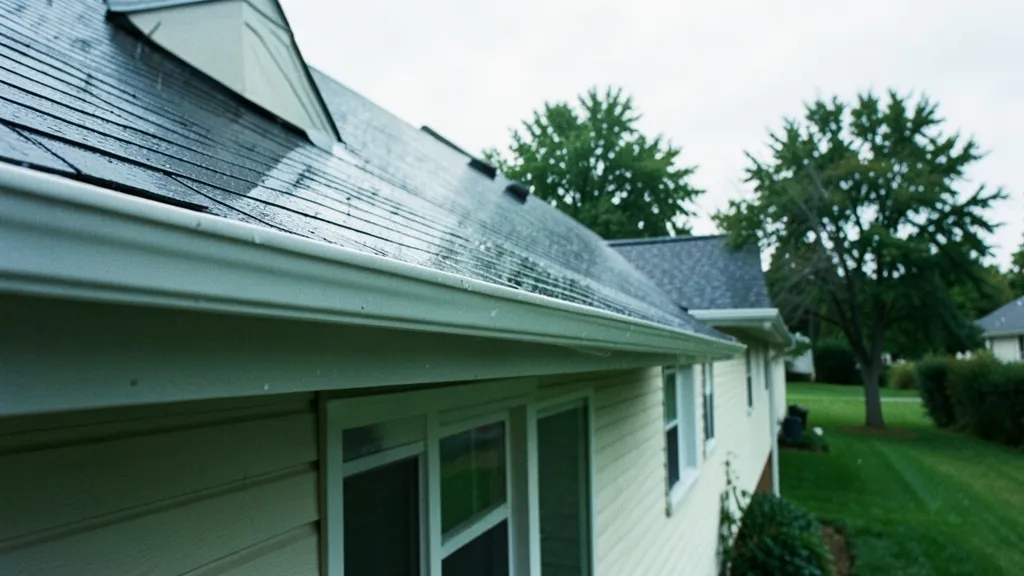
Brunswick’s four distinct seasons demand a proactive gutter care plan. Without it, clogged systems lead to water damage, foundation issues, and costly repairs. We’ve built this timeline from years of local experience—so your gutters handle every storm, from Strongsville’s spring downpours to Medina’s icy winters.
Why a Seasonal Gutter Timeline Matters in Northeast Ohio
Our region’s climate swings from heavy spring rains to fall leaf dumps and winter freeze-thaw cycles. Gutters that aren’t cleaned and inspected seasonally can’t keep up.
Clogged systems overflow, sending water into your fascia, soffits, or foundation. In winter, trapped water freezes, forming ice dams that damage roofs and gutters alike.
Uncleaned gutters in Brunswick Hills Township or Valley City are prime candidates for ice dams. Water backs up under shingles, causing leaks and structural damage.
Spring: The Critical Post-Winter Reset
March and April bring thawing snow, seed pods, and early blooms that clog gutters fast. We prioritize clearing winter debris and checking for sagging or misaligned sections.
This is also a good time for gutter resealing and resloping. Proper pitch ensures water flows toward downspouts, not pooling in low spots.
Don’t overlook downspout cleaning. Clogged downspouts in North Royalton or Strongsville can cause basement flooding during spring rains.
Summer: Maintenance and Prevention
Summer storms in Ohio are intense but brief. Gutters must be clear to handle sudden downpours without overflowing.
We inspect for rust, loose fasteners, and gaps in seams. Aluminum gutters expand in heat—check for warping or separated joints.
This season is ideal for gutter guard installation. Quality guards reduce leaf buildup, but they’re not maintenance-free. Even with guards, annual inspections are a must.
Guards block large debris but fine particles like pine needles or roof grit still accumulate. Schedule a mid-summer check, especially in wooded areas.
Fall: The Leaf Onslaught
Brunswick’s fall foliage is beautiful—but it’s a gutter’s worst enemy. Maple, oak, and sycamore leaves fill systems quickly, especially in neighborhoods with mature trees.
We recommend cleaning gutters in early fall (September) and again after peak leaf drop (November). Two passes prevent clogs that lead to winter ice dams.
Downspout extensions should direct water at least 5 feet from your foundation. Fall is the time to ensure they’re intact and unobstructed.
| Tree Cover | Early Fall Cleaning | Late Fall Cleaning | Downspout Check |
|---|---|---|---|
| Heavy (mature trees) | Required | Required | Critical |
| Moderate | Required | Recommended | Recommended |
| Light | Optional | Required | Recommended |
Winter: Damage Control and Preparation
Once temperatures drop, gutter cleaning shifts to damage prevention. We focus on removing any remaining debris to prevent ice buildup.
Inspect for gaps or damage that could worsen under snow load. Even small issues become major problems when water freezes and expands.
After storms, check for bent gutters or detached downspouts. Immediate repairs prevent spring headaches.
Signs Your Gutters Need Immediate Attention
Overflowing water during rain is the most obvious red flag. But other signs include sagging sections, peeling paint on fascia, or water stains beneath gutters.
If you see icicles forming along the gutter line in winter, it’s a sign of poor drainage. This often means clogs or improper slope.
Mold or mildew on your home’s exterior can trace back to gutter issues. Water isn’t being directed away as it should.
Gutter Red Flags
- Water spilling over gutter edges during rain
- Sagging or pulling away from the roofline
- Rust, cracks, or separated seams
- Pooling water or erosion near the foundation
- Ice dams or icicles in winter
DIY vs. Professional Gutter Cleaning: What Brunswick Homeowners Should Know
DIY cleaning works for single-story homes with easy access. But for multi-story houses or steep roofs, safety risks outweigh the savings.
Professionals bring the right tools—gutter scoops, high-pressure flushing systems, and inspection cameras—to do the job thoroughly.
We also spot issues DIYers often miss: loose hangers, deteriorating fascia, or improperly sloped gutters. Catching these early saves money long-term.
Long-Term Gutter Care: Beyond Cleaning
Regular cleaning is just part of the equation. Gutter repair, resealing, and resloping extend your system’s life by decades.
For homes in Valley City or Medina with heavy tree cover, gutter guards can reduce maintenance frequency. But they’re not a substitute for inspections.
Commercial properties in Strongsville or Brunswick Hills Township often need more frequent service due to larger roof areas and higher debris volume.
Businesses with flat roofs or large surface areas require specialized gutter systems and more frequent cleaning to prevent water pooling and structural damage.
How to Inspect Your Gutters Between Professional Cleanings
A quick visual inspection can catch problems before they escalate.
- 1Safety First
Use a sturdy ladder on level ground. Never lean the ladder against the gutters themselves—they may not support your weight.
- 2Check for Visible Debris
Look for leaves, twigs, or sediment buildup. Even small amounts can indicate a clog forming deeper in the system.
- 3Test Water Flow
Run a hose into the gutters. Water should flow freely toward downspouts. If it pools, the slope may be off or a clog exists.
- 4Inspect Downspouts
Ensure water exits the downspout and flows away from the foundation. Use a plumber’s snake or hose to clear any blockages.
- 5Look for Damage
Check for rust, cracks, or separated seams. Note any sagging sections or loose fasteners that need repair.
Frequently Asked Questions
How often should I clean my gutters in Brunswick, OH?
Most homes need cleaning twice a year—spring and fall. But if you’re in a heavily wooded area like parts of Brunswick Hills Township, we recommend a third cleaning in mid-summer. Request a quote for a customized schedule.
Can gutter guards eliminate the need for cleaning?
No. Gutter guards reduce debris buildup but don’t stop fine particles like roof grit or pine needles. Annual inspections and occasional cleaning are still necessary to maintain proper flow.
What happens if I don’t clean my gutters before winter?
Trapped water freezes, forming ice dams that can damage your roof, gutters, and even your home’s interior. Clogged gutters also contribute to foundation cracks from improper drainage.
Do I need different gutter maintenance for a commercial property in Strongsville?
Yes. Commercial buildings often have larger, more complex gutter systems. They require more frequent cleaning and inspections to handle higher water volume and debris loads.
How do I know if my gutters are properly sloped?
Water should flow toward downspouts without pooling. If you see standing water or overflow during rain, the slope may be incorrect. A professional can adjust the pitch during a cleaning or repair visit.
Are there specific gutter issues common in Medina or North Royalton?
Homes in these areas often deal with heavy leaf buildup in fall and ice dams in winter. Older homes may also have undersized gutters that can’t handle modern rainfall volumes, leading to frequent overflows.