Brunswick Gutter Upkeep: Simple Steps for Year-Round Protection
Gutters are your home’s first line of defense against water damage, especially in Brunswick’s unpredictable climate. Without proper upkeep, clogged or damaged gutters can lead to costly repairs for your roof, foundation, or landscaping. We’ll walk you through the essentials of year-round gutter care, so you can avoid common pitfalls and keep water flowing where it should.
Why Gutter Maintenance Matters in Northeast Ohio
Brunswick’s heavy spring rains, autumn leaf dumps, and winter freeze-thaw cycles put gutters to the test. Clogged systems can’t handle the volume, leading to overflow that erodes soil, damages siding, or even floods basements.
Ice dams in winter are another local threat. When gutters back up, melting snow refreezes at the roofline, forcing water under shingles. Proper maintenance prevents this cycle before it starts.
Signs Your Gutters Need Attention
Sagging sections, rust spots, or peeling paint on fascia boards are red flags. These often mean water is pooling due to clogs or improper slope, and the weight is stressing the system.
Overflow during rain, even light showers, signals blockages. Check downspouts too—if water isn’t exiting at the base, debris is likely lodged in the elbows or underground extensions.
Spot These Issues Early
- Water stains or mildew beneath gutters
- Gutters pulling away from the roof
- Visible rust, cracks, or holes
- Plants or weeds growing in the troughs
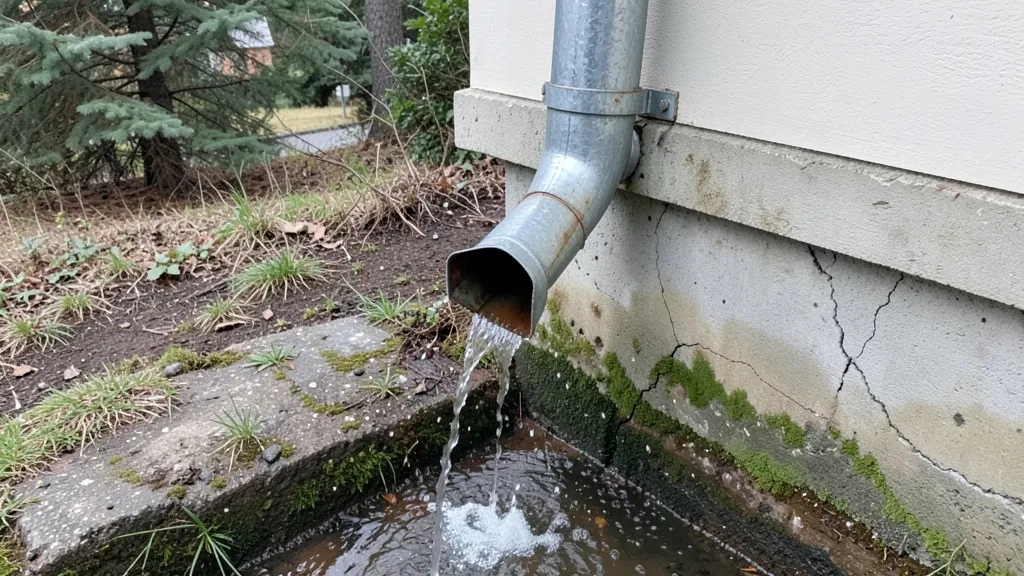
- Downspouts discharging near the foundation
Seasonal Gutter Care: A Local Timeline
Spring is prime time for a deep clean after winter’s residue. Focus on removing granular debris from shingles and seed pods that clog downspouts. This is also the best window for gutter resealing or resloping if needed.
Fall demands the most attention. Brunswick’s maple and oak trees shed heavily, and a single storm can fill gutters overnight. We recommend a late-October cleaning to prep for winter, then a post-leaf-fall inspection in Strongsville or Medina neighborhoods with dense tree cover.
Winter prep includes ensuring downspouts extend at least 5 feet from the foundation. Frozen ground can’t absorb water, so proper discharge prevents ice buildup and foundation cracks.
| Season | Key Task | Local Focus |
|---|---|---|
| Spring | Deep clean + inspect for winter damage | Check for ice dam remnants, reseal seams |
| Summer | Light clean + downspout flush | Storm debris from pop-up thunderstorms |
| Fall | Full clean + gutter guard check | Heavy leaf drop in Brunswick Hills Township |
| Winter | Inspect for sagging or ice | Prevent freeze-thaw damage to aluminum gutters |
DIY vs. Professional Gutter Cleaning: What to Consider
A sturdy ladder, gloves, and a gutter scoop can handle light debris for single-story homes. But Brunswick’s two-story colonials and split-levels often require extension ladders and safety harnesses—risks most homeowners underestimate.
Professionals bring more than ladders. We use high-pressure vacuums to clear downspouts without dislodging joints, and we inspect for hidden issues like separated miters or corroded hangers.
Never lean a ladder against gutters—they’re not designed to support weight. Use stabilizers or stand-offs to protect both you and the system.
Gutter Guards: Are They Worth It for Brunswick Homes?
Gutter guards reduce maintenance but aren’t a set-it-and-forget-it solution. Mesh and reverse-curve guards work well against large leaves common in North Royalton and Valley City, but fine pine needles can still slip through.
Screen-style guards are affordable but may require more frequent cleaning of the screen itself. Foam inserts are easy to install but can degrade under UV exposure and trap debris on top.
| Type | Pros | Cons |
|---|---|---|
| Mesh | Keeps out most debris, durable | Can clog with fine particles |
| Reverse Curve | Handles heavy leaf fall well | Water can overshoot in heavy rain |
| Screen | Budget-friendly, easy to install | Needs frequent top-side cleaning |
| Foam | Simple DIY, fits most gutters | Degrades in sun, traps debris |
When to Call in the Pros for Gutter Repair
Small cracks can be sealed with gutter caulk, but separated seams or rusted-through sections need professional repair. We often see DIY patches fail within a year because the underlying corrosion wasn’t addressed.
Sagging gutters usually mean failed hangers or improper pitch. In older Brunswick homes, wooden fascia may be rotting—requiring both gutter resealing and fascia replacement to restore integrity.
Clean the area thoroughly, then apply a bead of silicone-based gutter sealant to the inside joint. Avoid cheap acrylics—they won’t last through Northeast Ohio winters.
Downspout Problems: The Overlooked Culprit
Downspouts handle 100% of your gutter’s water volume, yet they’re often ignored. Clogs here cause backups that overflow at the roof edge, defeating the entire system. A simple garden hose test can reveal blockages—if water doesn’t exit freely at the base, it’s time to clear it.
In commercial properties around Strongsville or Medina, downspouts may connect to underground drains. These require specialized tools like drain snakes or hydro-jetting to clear deep clogs.
Storm Damage and Emergency Gutter Cleanup
Brunswick’s summer storms can dump inches of rain in an hour, overwhelming even well-maintained gutters. After a storm, check for dents from hail or branches, and ensure downspouts aren’t crushed or detached.
If gutters are torn or hanging, act fast. Temporary fixes like zip ties or roofing cement can prevent further damage until permanent gutter repair is possible. For widespread damage, a full roof and gutter inspection is wise.
How to Safely Clean Your Gutters in 5 Steps
Regular cleaning prevents most gutter problems, and doing it safely is key.
- 1Gather Supplies
Use a sturdy extension ladder, work gloves, a gutter scoop or trowel, and a bucket with a hook for hanging. A leaf blower with a gutter attachment can speed up the job for single-story homes.
- 2Clear the Roof First
Remove leaves and twigs from the roof to prevent them from washing into freshly cleaned gutters. Use a roof rake or blower—never walk on the roof unless you’re trained to do so.
- 3Scoop Out Debris
Starting near a downspout, work away from it to avoid clogging. Dump debris into the bucket, not onto the ground below, to avoid damaging plants or siding.
- 4Flush the Gutters
Use a garden hose with a spray nozzle to flush remaining grit toward the downspout. Check for proper drainage—if water pools, the slope may need adjustment.
- 5Inspect and Test
Look for rust, cracks, or separated seams. Run water through the system with the hose to confirm everything drains quickly and away from the foundation.
Frequently Asked Questions
How often should I clean my gutters in Brunswick?
Most homes need cleaning twice a year—once in late spring and once in late fall. If you have mature trees or live in areas like Brunswick Hills Township with heavy foliage, increase to three or four times annually.
Can I install gutter guards myself?
Yes, for some types like foam or screen guards. However, mesh or reverse-curve guards often require precise measurements and professional tools to ensure they don’t interfere with water flow. Improper installation can void warranties.
What’s the best way to prevent ice dams in gutters?
Ensure your attic is well-insulated and ventilated to keep the roof temperature consistent. Also, clean gutters thoroughly before winter and consider adding heat tape to problem areas. Proper gutter slope helps water drain before it freezes.
Are seamless gutters worth the investment for Brunswick homes?
Seamless gutters reduce leak points and require less maintenance, making them a smart choice for long-term protection. They’re especially valuable in areas with heavy rainfall or large trees, like parts of Medina or Strongsville.
How do I know if my downspouts are clogged?
Run a hose into the gutter and watch the downspout outlet. If water doesn’t flow freely—or backs up—there’s a clog. You can also tap the downspout; a hollow sound means it’s clear, while a dull thud suggests debris inside.