How Gutter Elbows Improve Drainage for Brunswick Homes
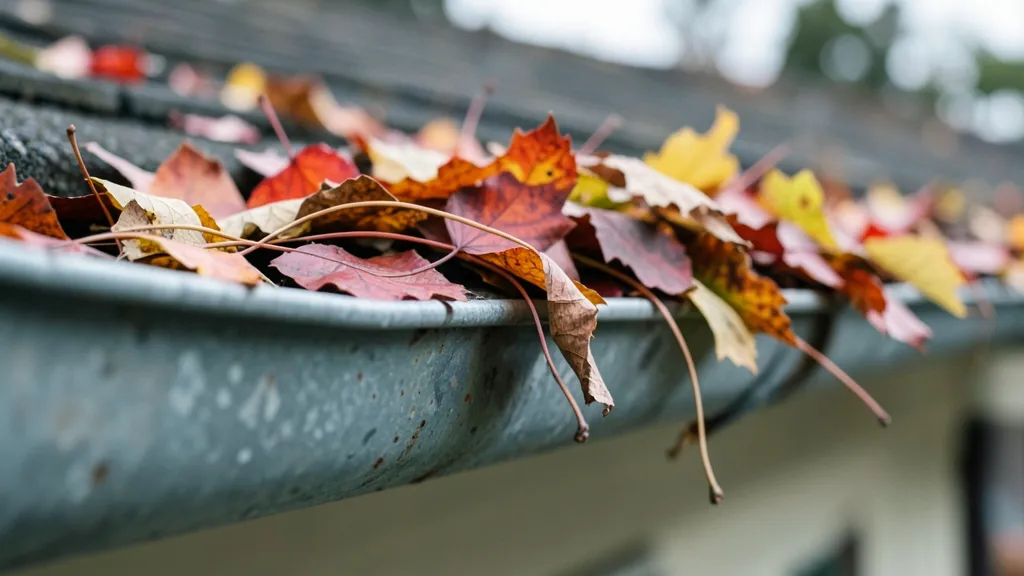
Gutter elbows are the unsung heroes of an effective drainage system, directing water away from your roof and foundation with precision. In Brunswick’s climate—where heavy rains and seasonal debris are the norm—they’re critical for preventing backups, overflows, and costly water damage. We’ll break down how they work, why they matter, and how to keep them in top shape.
What Are Gutter Elbows and Why Do They Matter?
Gutter elbows are curved downspout connectors that change the direction of water flow, typically at 45° or 90° angles. Without them, water would dump straight down, eroding soil and pooling near your foundation.
In Brunswick, where spring showers and fall leaf drop test gutters, elbows ensure water is channeled safely away from your home’s structure. Poorly directed flow can lead to basement seepage, especially in neighborhoods like Brunswick Hills Township with heavy clay soil.
Types of Gutter Elbows and Their Uses
The most common elbows are A-style (90°) and B-style (45°), each serving distinct purposes. A-style elbows create sharp turns, ideal for tight spaces near corners or downspout outlets. B-style elbows offer gentler transitions, reducing clog risks in high-debris areas.
| Elbow Type | Angle | Best For |
|---|---|---|
| A-Style | 90° | Tight corners, downspout outlets |
| B-Style | 45° | Gradual turns, high-debris zones |
| Offset Elbow | Custom | Avoiding obstacles like decks or walkways |
How Gutter Elbows Prevent Water Damage in Brunswick
Improper drainage sends thousands of gallons of water cascading near your foundation annually. In Brunswick’s freeze-thaw cycles, this leads to cracks, mold, and even structural shifting over time.
Elbows paired with downspout extensions direct water at least 5–10 feet from your home. This is especially critical in areas like Strongsville or Medina, where heavy rainfall can overwhelm poorly designed systems.
Never dump downspouts directly onto driveways or sidewalks. The force can erode pavement and create icy hazards in winter.
Signs Your Gutter Elbows Need Attention
Standing water near your foundation or overflowing gutters during rain often signals a clogged or misaligned elbow. Rust, dents, or separated seams are also red flags—especially in older aluminum or steel systems.
In Brunswick, autumn leaves and spring seed pods are major culprits. If water isn’t flowing freely from the downspout, debris is likely lodged in the elbow’s curve.
Inspect Your Elbows for These Issues
- Water pooling at the base of downspouts
- Visible rust, cracks, or detachment
- Gurgling sounds during rainfall
- Debris protruding from elbow joints
Gutter Elbows vs. Downspout Extensions: Key Differences
While elbows redirect water horizontally or vertically, extensions carry it further away from your home. Elbows are fixed components of the downspout system, whereas extensions are add-ons that can be adjusted or removed.
For Brunswick homes with limited yard space, a combination of both ensures water is directed to a safe discharge point, like a rain barrel or swale. In Valley City, where properties may have steeper grades, extensions are often essential.
Material Matters: Choosing the Right Elbows for Your Gutters
Aluminum elbows are lightweight, rust-proof, and the most common for residential systems in Brunswick. Copper offers a premium look and longevity but comes at a higher cost. Vinyl is budget-friendly but can become brittle in Ohio’s temperature swings.
Match your elbow material to your gutters to avoid galvanic corrosion, where dissimilar metals degrade over time. This is a common issue we see in older homes mixing steel and aluminum components.
For seamless gutters, use pre-crimped elbows to ensure a watertight fit. Avoid generic hardware-store elbows—they often lack the precision needed for professional systems.
When to Call a Pro for Gutter Elbow Repairs or Replacement
If elbows are corroded, dented, or no longer aligned, DIY fixes often fail to restore proper flow. In Brunswick, where ice dams and heavy debris are frequent, damaged elbows can lead to gutter detachment or roof leaks.
Our team handles everything from resealing joints to full elbow replacements, often as part of a broader gutter repair or cleaning service. We also inspect for hidden issues like improper slope or undersized downspouts.
How to Clean Gutter Elbows Safely
Regular cleaning prevents clogs and extends the life of your elbows—here’s how to do it without damaging your system.
- 1Gather Tools
Use a sturdy ladder, gloves, a garden hose with a spray nozzle, and a gutter scoop or trowel. Avoid power washers, as they can dent elbows or dislodge seals.
- 2Remove Debris
Start at the top of the downspout and work downward. Scoop out leaves and sediment from the elbow’s curve, where buildup is most common.
- 3Flush the System
Run water through the downspout to clear remaining debris. If water backs up, the elbow may need disassembly or a plumbing snake for stubborn clogs.
- 4Inspect and Reassemble
Check for leaks, rust, or loose fasteners. Reattach any disconnected sections and ensure the slope directs water away from your roof and foundation.
Frequently Asked Questions
How often should I clean my gutter elbows in Brunswick?
We recommend cleaning gutters and elbows at least twice a year—once in late spring and again in early fall. In areas with heavy tree cover, like North Royalton, a mid-summer check may be needed to prevent clogs.
Can I replace a gutter elbow myself?
If you’re comfortable on a ladder and have basic tools, replacing a single elbow is manageable. However, misalignment or improper sealing can cause leaks. For multi-story homes or complex systems, it’s safer to hire a pro.
Why do my gutters overflow even after cleaning the elbows?
Overflow often signals a slope issue, undersized gutters, or clogs further up the system. In Brunswick, ice dams in winter can also block flow. A professional inspection can identify the root cause.
Are gutter guards worth it for preventing elbow clogs?
Gutter guards reduce debris buildup but aren’t foolproof—fine particles like pine needles or shingle grit can still enter. They’re most effective when paired with regular maintenance, including elbow checks.
What’s the best way to winterize gutter elbows?
Ensure elbows are clear of debris before the first freeze. Install heat tape or downspout heaters if ice dams are a recurring issue. In Brunswick, proper attic insulation also helps prevent ice dam formation.
Do commercial properties in Brunswick need different elbows?
Yes, commercial systems often use larger, heavy-duty elbows (e.g., 3x4-inch) to handle greater water volume. They may also incorporate box-style downspouts for added capacity, especially in flat-roof buildings.