Expert Gutter Maintenance Tips to Extend the Life of Your System in Brunswick
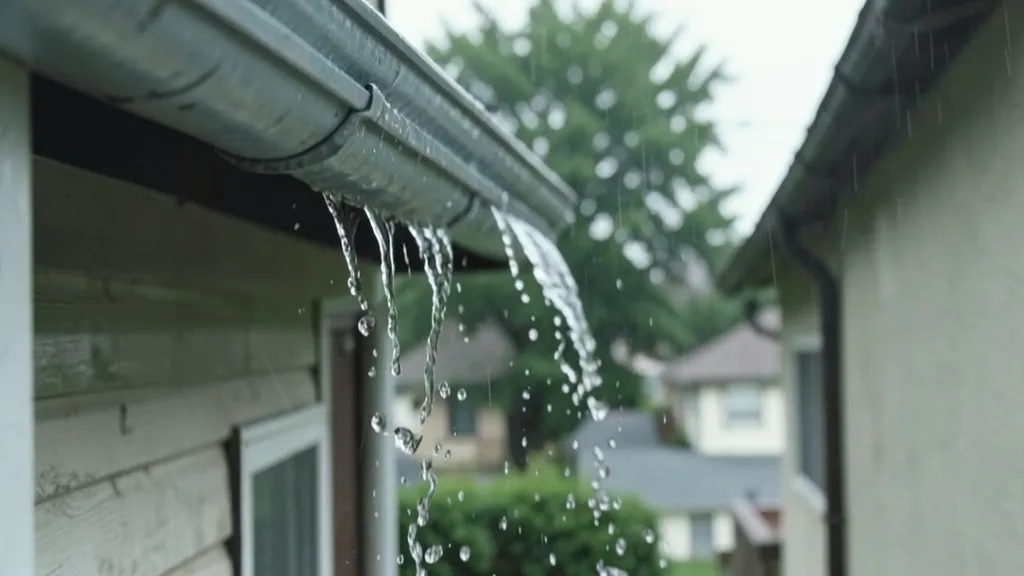
A well-maintained gutter system is your home’s first line of defense against water damage, especially in Brunswick’s seasonal swings. Our team sees firsthand how small oversights lead to costly repairs—so we’re sharing the pro-level maintenance habits that keep gutters flowing freely for years.
Why Brunswick Homes Need Seasonal Gutter Attention
Northeast Ohio’s wet springs and heavy fall foliage mean gutters here work overtime. Without regular upkeep, leaves from Medina’s maples or Strongsville’s oaks clog downspouts, trapping water against your fascia and roof decking.
Winter brings ice dams that stress seams and brackets. Proactive maintenance prevents the freeze-thaw cycle from warping aluminum or pulling gutters away from the roofline.
A gutter pulling away from the roof isn’t just unsightly—it’s a sign of hidden damage. Left unchecked, it can tear fascia boards or allow water to pool and rot the subroof.
The 4 Most Common Gutter Problems We Fix in Brunswick
Clogged downspouts are the top culprit. Even partial blockages slow drainage, leading to overflow that erodes landscaping or seeps into basements in Brunswick Hills Township.
Improper pitch causes standing water. Gutters should slope ¼ inch for every 10 feet toward downspouts; otherwise, debris settles and rust accelerates in steel systems.
Leaky seams and end caps often stem from thermal expansion. Ohio’s temperature swings loosen seals, especially in older sectional gutters.
Missing or damaged hangers let gutters sag. We often find spaced-too-far hangers in Valley City homes, where heavy snow loads demand extra support.
Gutter Materials: How They Affect Maintenance Needs
Aluminum gutters are lightweight and rust-resistant but can dent under ladder pressure or hail. They’re the most common in Brunswick due to their balance of cost and durability.
Copper gutters develop a protective patina over time, resisting corrosion. They’re low-maintenance but require occasional polishing to prevent tarnish buildup at seams.
Vinyl gutters won’t rust or corrode, but they become brittle in extreme cold. We see more vinyl failures in North Royalton after harsh winters.
Steel gutters are sturdy but prone to rust if the galvanized coating scratches. Regular inspections for chips are key, especially near downspout outlets.
| Material | Lifespan | Maintenance Level | Best For |
|---|---|---|---|
| Aluminum | 20-30 years | Low-Moderate | Most homes, budget-friendly |
| Copper | 50+ years | Low | High-end homes, historic properties |
| Vinyl | 10-20 years | Low | DIY installations, mild climates |
| Steel (Galvanized) | 15-25 years | Moderate-High | Areas with heavy debris, industrial zones |
When to Clean Your Gutters (And When to Call a Pro)
Clean gutters at least twice a year: once in late spring after seed pods drop, and again in late fall after leaves fall. Brunswick’s sugar maples and pin oaks make autumn cleanup non-negotiable.
After major storms, check for granules from shingles or bent gutter sections. These signal roof damage that can clog gutters faster.
If you’re uncomfortable on a ladder or have a multi-story home, hire a pro. We use extendable tools and safety harnesses to reach second-story gutters in Strongsville or Medina without risk.
Lay a tarp beneath your work area to catch debris. This saves time and prevents clogs in your downspout drains or landscaping beds.
Downspout Maintenance: The Overlooked Critical Step
Downspouts handle 100% of your gutter’s water volume. A clog here backs up the entire system, leading to overflow that can damage siding or foundation in Brunswick homes.
Ensure downspouts extend at least 5 feet from the foundation. Use splash blocks or underground drains to direct water away from basements, especially in low-lying areas near Valley City.
Check for rust or corrosion at the elbows. These joints collect debris and are prone to leaks if not sealed properly during installation.
Gutter Guards: Are They Worth It for Brunswick Homeowners?
Gutter guards reduce cleaning frequency by 60-80%, but they’re not maintenance-free. Pine needles and small seeds can still accumulate on top of micro-mesh screens.
Reverse-curve guards (like LeafGuard) work well for most homes but can fail under heavy debris loads. We often recommend them for properties with mature trees in North Royalton or Brunswick Hills Township.
Foam inserts are budget-friendly but degrade in UV exposure. Screen guards are easy to install but may require more frequent checks for clogs.
No guard eliminates the need for inspections. Annual checks ensure guards aren’t trapping moisture against the roof or causing ice dams in winter.
Gutter Guard Selection Checklist
- Assess your tree coverage (light, moderate, heavy)
- Compare maintenance requirements vs. your schedule
- Check compatibility with your gutter material
- Verify warranty and local installer reputation
Signs Your Gutters Need Repair or Replacement
Peeling paint or rust streaks on gutters indicate trapped moisture. This often means seams are failing or the protective coating has worn off.
Water stains directly below gutters suggest overflow or leaks. In Brunswick, this can lead to basement seepage if not addressed quickly.
Cracks or splits wider than a dime won’t seal reliably. These typically form at stress points like miters or end caps.
If gutters pull away from the roof or sag between hangers, the system may be overloaded or improperly pitched. This often requires resealing and resloping.
Minor leaks can often be fixed with high-quality sealant, but widespread corrosion or structural damage calls for full replacement. Request a quote to determine the best approach.
How to Inspect Your Gutters Like a Pro
A thorough inspection takes 15 minutes and can save you thousands in repairs.
- 1Check for Visible Damage
Walk around your home and look for dents, rust, or peeling paint on gutters and downspouts. Note any sections pulling away from the roof.
- 2Test the Slope
Use a level to check gutter pitch. Pour a small amount of water into the gutter—it should flow toward the downspout without pooling.
- 3Look for Leaks
Run a hose at low pressure along the gutter seams and end caps. Watch for drips or water escaping behind the gutter.
- 4Inspect Downspouts
Ensure downspouts are securely attached and direct water at least 5 feet from the foundation. Use a plumber’s snake to clear any blockages.
- 5Examine Hangers and Brackets
Check that hangers are spaced no more than 24 inches apart. Look for loose or missing screws, especially after storms.
- 6Assess the Roof Edge
Look for water stains or rot on the fascia or soffit. These indicate gutters aren’t draining properly or are overflowing.
Frequently Asked Questions
How often should I clean my gutters in Brunswick?
Twice a year is the minimum, but homes with heavy tree coverage may need cleaning every 3-4 months. After major storms, a quick check can prevent clogs from hardening into stubborn blockages.
Can I clean my gutters myself, or should I hire a professional?
If you’re comfortable on a ladder and have a single-story home, DIY cleaning is manageable. For multi-story homes or if you’re unsure about safety, hiring a pro is the smarter choice. We use specialized tools to work efficiently and safely.
What’s the best way to prevent ice dams in Brunswick winters?
Ensure your attic is well-insulated and ventilated to keep the roof deck cold. Clean gutters before winter so melting snow can drain freely. Consider heat tape for problem areas, but address insulation first.
Do gutter guards really work in areas with lots of trees like Strongsville or Medina?
Yes, but the type matters. Micro-mesh guards perform best in heavy foliage areas, as they block even small debris. However, no guard is 100% maintenance-free—annual checks are still necessary.
How do I know if my gutters are properly sloped?
Pour water into the gutter and watch its flow. It should move toward the downspout without pooling. If it stands still or flows away from the downspout, the pitch needs adjustment.
What are the signs of a failing gutter system?
Common red flags include sagging gutters, water stains on siding or foundation, rust or cracks in the gutter material, and landscaping erosion below the downspouts. If you notice any of these, request a quote for an inspection.