Gutter Repair or Full Installation: What’s Best for Your Brunswick Property?
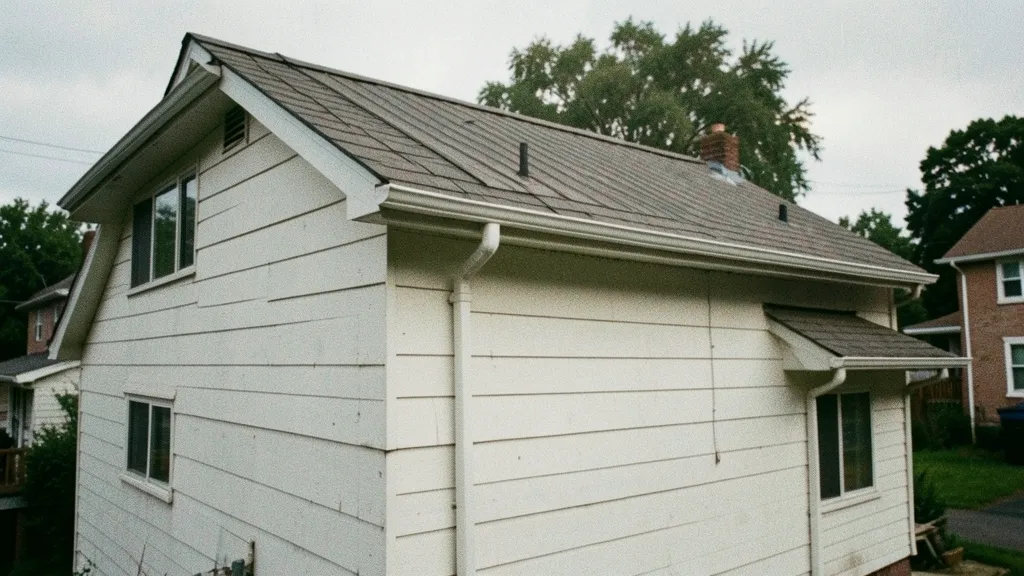
Brunswick’s heavy rains and freezing winters put gutters to the test. When yours fail, you’re left wondering: patch them up or start fresh? We’ll help you weigh the pros, cons, and long-term impact of repair versus full installation—so your home stays protected, no matter the season.
Signs Your Gutters Need Attention
Sagging sections or gutters pulling away from the fascia often signal hanger failure or excessive weight from debris. In Brunswick, autumn leaves and spring seed pods are notorious for this.
Visible rust, cracks, or peeling paint on aluminum or steel gutters mean moisture has compromised the material. Small spots can be sealed; widespread corrosion usually can’t.
Water pooling near your foundation or overflowing during storms? That’s a red flag for improper slope, clogs, or undersized downspouts—common in older Brunswick homes.
Northeast Ohio’s freeze-thaw cycles create ice dams that can bend or detach gutters. If you see icicles or water backing up under shingles, act fast to prevent roof and fascia damage.
When Gutter Repair Makes Sense
Minor leaks at seams or end caps are often fixed with high-quality sealant or resealing. We use butyl tape or silicone for lasting results in our climate.
Loose or missing hangers can be reinforced or replaced without a full overhaul. In Brunswick Hills Township, windy storms frequently knock them loose.
Clogged downspouts or minor sagging due to debris buildup? A thorough cleaning and realignment may restore proper drainage without replacement.
When Full Gutter Installation Is the Smarter Choice
If your gutters are 20+ years old, especially vinyl or original builder-grade aluminum, they’ve likely outlived their lifespan. Modern seamless gutters outperform older sectional systems.
Extensive rust, holes, or multiple failed repairs mean the system is beyond patching. Replacing it prevents recurring costs and protects your roof, siding, and foundation.
Upgrading to larger-capacity gutters (5” or 6” K-style) or adding gutter guards can handle Brunswick’s heavy rainfall and reduce future maintenance. Strongsville and Medina homes often benefit from this upgrade.
| Factor | Repair | Full Installation |
|---|---|---|
| Cost | Lower upfront; depends on extent of damage | Higher upfront; long-term savings on repairs |
| Lifespan | Short-term fix; may need repeat work | 20-50+ years with proper materials |
| Time Required | 1-4 hours for most jobs | 1-3 days depending on home size |
| Material Matching | May not match existing gutters perfectly | Consistent, customizable materials |
| Warranty | Limited to labor/materials used | Manufacturer + workmanship warranties |
| Home Value Impact | Minimal | Can improve curb appeal and resale value |
Local Climate Considerations for Brunswick
Our area’s humid summers and icy winters demand gutters that expand and contract without cracking. Seamless aluminum handles this better than vinyl.
Heavy snowfall can stress gutters. Reinforced hangers and proper pitch (1/4” per 10 feet) prevent sagging under load. Many North Royalton homes lack this and suffer damage.
Spring and fall storms drop leaves, twigs, and seed pods that clog gutters fast. Gutter guards or frequent cleanings are non-negotiable here.
Schedule a gutter inspection before winter and after major storms. Catching small issues early can prevent costly damage in Valley City or Brunswick.
Material Matters: What Works Best Here?
Aluminum is the top choice for most Brunswick homes: lightweight, rust-proof, and available in seamless runs. It won’t dent as easily as vinyl but can be prone to scratches.
Copper offers unmatched durability and a distinctive look, but it’s a premium option. We see it more in historic Medina homes than typical Brunswick subdivisions.
Vinyl is budget-friendly and DIY-friendly but becomes brittle in Northeast Ohio’s temperature swings. Not ideal for long-term performance.
The Hidden Costs of Delaying a Decision
Faulty gutters send water cascading down your siding, leading to mold, mildew, or rot. In Brunswick’s humid climate, this can spread quickly behind walls.
Poor drainage erodes soil around your foundation, causing cracks or basement leaks. Repairing foundation damage costs far more than new gutters.
Ice dams from clogged gutters can tear off shingles or damage roof decking. Roof repairs often run into the thousands—another reason proactive gutter care pays off.
What to Expect During a Professional Assessment
We start with a visual inspection from the ground, then use ladders or lifts to check for leaks, rust, and hanger integrity. Safety first—especially on Brunswick’s multi-story homes.
Next, we test drainage by running water through the system or using a hose to simulate rainfall. This reveals clogs, improper slope, or downspout issues.
Finally, we’ll provide a detailed report with photos and recommendations—whether it’s a simple resealing, a section replacement, or a full new installation.
Pre-Assessment Prep for Homeowners
- Clear debris from around the home’s perimeter for easy access
- Trim back tree branches near the roof to improve visibility and safety
- Note any problem areas (e.g., overflow during storms, visible damage) to share with our team
- Ensure pets and children are indoors during the inspection
How to Inspect Your Gutters Between Professional Visits
Catching issues early can save you from costly repairs or replacements.
- 1Safety First
Use a sturdy ladder on level ground, or inspect from the ground with binoculars. Never lean the ladder against the gutters themselves—they may not support your weight.
- 2Check for Visible Damage
Look for cracks, rust, peeling paint, or sagging sections. Pay special attention to seams and end caps, where leaks often start.
- 3Test the Slope
Gutters should tilt slightly toward downspouts (about 1/4” per 10 feet). Use a level or observe water flow during rain to confirm proper pitch.
- 4Inspect Downspouts
Ensure they’re securely attached and free of clogs. Pour water into the gutter and watch it drain—if it backs up, there’s a blockage.
- 5Look for Water Damage
Check the ground near downspouts for erosion or puddles. Also, inspect the fascia and soffit for water stains or rot.
Frequently Asked Questions
How often should gutters be replaced in Brunswick?
Most gutters last 20-30 years, but harsh Ohio winters can shorten that lifespan. If you’re seeing frequent repairs, rust, or sagging, it’s time to consider replacement. Request a quote to assess your system’s condition.
Can I just replace a section of my gutters instead of the whole system?
Yes, if the damage is isolated. We often replace a single run or corner if the rest of the system is in good shape. However, mismatched materials or colors can affect curb appeal, so we’ll help you weigh the options.
Are gutter guards worth it for Brunswick homes?
Absolutely. Our area’s heavy tree cover means gutters clog fast without guards. They reduce maintenance and prevent debris buildup, which is especially valuable in neighborhoods like Brunswick Hills Township with mature trees.
What’s the difference between gutter repair and resealing?
Repair addresses structural issues like loose hangers, holes, or misalignment. Resealing focuses on fixing leaks at seams or end caps with waterproof sealant. Often, both are needed for a fully functional system.
How do I know if my gutters are improperly sloped?
Standing water in the gutters or overflow at the low end are red flags. During rain, water should flow smoothly toward downspouts without pooling. If it doesn’t, the pitch may need adjustment.